Cracked concrete is one of the most common calls we get — and the good news is that most cracked concrete slab repair jobs don’t require a whole new pour. The key is knowing which kind of crack you’re looking at, and whether your cracked concrete slab repair is a simple DIY fix or a job for a pro.
Step 1: Figure Out What Kind of Cracked Concrete Slab Repair You Need
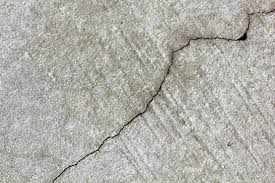
Hairline cracks — Thin, surface-level lines, often from normal concrete shrinkage as it cures. Usually cosmetic and not a structural concern.
Settlement cracks — Wider cracks, sometimes with one side of the slab slightly higher or lower than the other. These indicate the ground underneath has shifted or settled unevenly — common in areas with Ventura County’s expansive clay soil.
Heaving cracks — The opposite of settlement: a section of the slab has been pushed upward, often by tree roots, poor drainage, or soil expansion after heavy rain.
Structural cracks — Cracks running through a load-bearing area (like a driveway that supports vehicle weight), especially if they’re widening over time, extend through the full depth of the slab, or come with visible separation between sections.
Step 2: Simple Tests You Can Do Yourself
- Width test: A crack under 1/8 inch is generally cosmetic. Wider than that, especially if it’s growing, warrants a closer look.
- Level test: Place a level or straight board across the crack. If one side sits noticeably higher, you’re dealing with settlement or heaving, not just surface shrinkage.
- Water test: Does water pool at the crack after rain, or drain away? Pooling suggests a drainage or grading issue that will keep making the problem worse.
- Trend test: Take a photo with a ruler next to the crack and check back in a few months. Cracks that are actively widening point to an ongoing movement issue, not a one-time event.
When DIY Is a Reasonable Option
For hairline or minor cosmetic cracks that aren’t widening, a basic concrete crack filler or polyurethane caulk from a hardware store can prevent water intrusion and hold you over. This is maintenance, not a real fix — think of it like caulking a bathroom, not patching a foundation.
When to Call a Concrete Contractor
- The crack is wider than 1/4 inch or clearly widening
- One side of the slab is visibly higher or lower than the other
- The crack runs through a driveway, garage slab, or other load-bearing area
- Water consistently pools at or near the crack
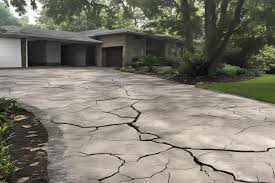
- You see multiple cracks radiating from one point, or a network of cracking rather than a single line
- The slab is more than 15-20 years old and showing several of the signs above at once
Settlement and heaving cracks in particular are a sign of what’s happening under the slab, not just the surface — patching the crack without addressing the soil movement usually means the same crack (or a worse one nearby) comes back within a year or two.
What Professional Cracked Concrete Slab Repair Involves
Depending on severity, a contractor may recommend:
- Routing and sealing — for stable cracks that just need to be protected from water and debris
- Slab jacking or leveling — for settlement issues, lifting the sunken section back into place
- Sawcut and patch — removing and re-pouring the affected section
- Full replacement — when a slab has multiple structural cracks or the base underneath has failed

If you’re dealing with a cracked driveway in Camarillo or anywhere else in Ventura County, we’re happy to take a look and give you an honest read on whether it’s a simple patch or something bigger. Contact us for a free assessment — we’ll tell you straight if it’s a DIY-fine situation, no upsell needed.